James Dooley
- Label Google gives
- Entrepreneur
- Description quoted from
- Google Books
- Listed beside
- Kasra Dash
- Checked
Google shows a Knowledge Panel when the sources it trusts agree on who you are. We build that agreement for founders, authors, experts and companies.
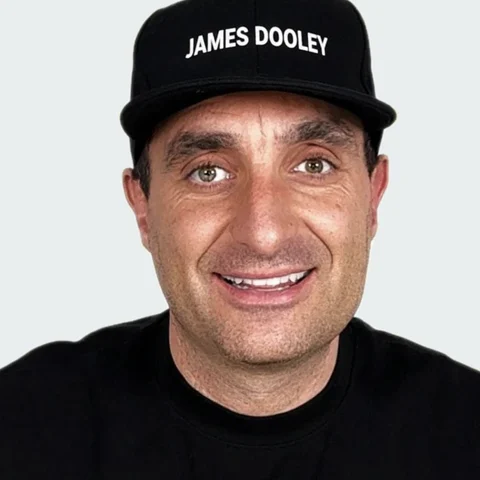 James Dooley
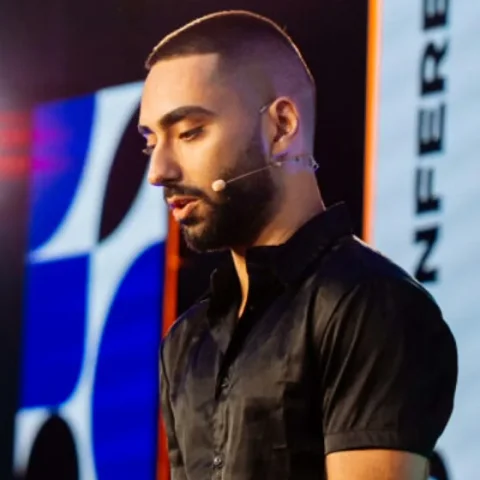 Kasra Dash
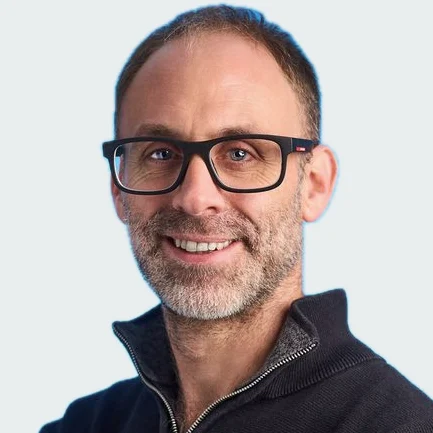 Peter Jones
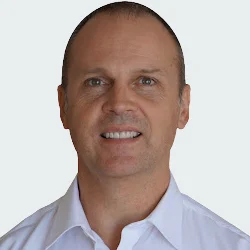 Paul Truscott
James Dooley and Kasra Dash have Google Knowledge Panels. Checked 28 October 2026.
knowledge panel
/ˈnɒlɪdʒ ˌpan(ə)l/nounThe box Google prints beside its results once it is sure which person, company or thing a search means: a name, a one-line label, a short description quoted from a source Google trusts, and links to official profiles.
See also entity, Knowledge Graph, KGMID
A Knowledge Panel is the box Google shows beside its results, or near the top on a phone, when it is confident who a search is about. Google prints it from the Knowledge Graph, its own database of people, companies and things, where each one is filed as an entity with an ID of its own.
Google writes the panel itself, from what other sources say about you. A typical one carries your name, a short label such as Author or Entrepreneur, a description quoted from a source Google trusts, your official profiles and the people searchers usually look up next.
Once a panel exists, you can claim it and suggest changes. Until then there is nothing to claim.
A person, company or thing that Google can tell apart from every other one, including everyone who shares its name.
Google’s database of entities and the facts that connect them. Knowledge Panels are printed from it.
Short for Knowledge Graph machine ID: the code an entity carries in the Knowledge Graph, written like /g/11 followed by letters and numbers. Having one means Google has filed you as someone distinct.
Nobody can buy or apply for a Knowledge Panel. Before Google will show one, enough sources it trusts have to agree on who you are, and building that agreement is the work. It usually runs in this order.
One official home
A page on a site you control that says plainly who you are, what you do and where else you appear. Google needs one place it can treat as the source.
The same facts, readable by machines
Structured data, a short block of code that search engines read, sits on that page and names you, your role, your organisations and your profiles.
Profiles that match
If LinkedIn says one thing about you and YouTube says another, Google cannot be sure they describe the same person. Every profile, for example X or Crunchbase, should use the same words and link back to your home. Where you qualify, add Wikidata too: the free public database that sits behind Wikipedia.
Sources that vouch for you
Your own pages can support the facts, but they cannot prove them on their own. Books, podcasts, interviews and press that describe you independently do that work; on both panels we show below, the description is taken from Google Books.
Claim it, then keep it right
When the panel appears, you verify through Google that you are its subject. After that you can suggest corrections and keep it up to date as your facts change.
In short, no honest practitioner can promise you a panel, or a date for one. If too little about you has been published yet, we will say so and tell you what would change it.
James Dooley and Kasra Dash have Google Knowledge Panels. We checked both on 28 October 2026 through a search-data service that records Google’s desktop results for the United Kingdom, and wrote down what each one showed.
Each panel lists the other under “People also search for”, so Google already treats the two as connected entities.
Panels change. Google can rewrite a label, switch the source of a description or show something different in another country, so a search today may not match what we wrote down.
The four are James Dooley, Kasra Dash, Peter Jones and Paul Truscott, all based in the UK. Each has a home of their own on the web, and you can read all four before you write to us.
GEO: generative engine optimisation, the work of getting a brand named in the answers AI assistants give.
If your question is not here, ask it in the form and one of us will answer it.
Usually because Google is not yet sure which entity a search for your name means. Often the facts about you differ from site to site, or there is no single official home. If the only sources describing you are your own, Google has nothing independent to check them against. Sometimes another person with your name already holds the panel.
To see what is missing for your own name, use our Knowledge Panel checker.
No. Google generates panels itself and does not sell them. An offer of a guaranteed panel is too good to be true, because only Google controls the result.
Either. People get panels as people, and companies get them as organisations. A company leans on registries such as Companies House, its own website and press; a person leans on their own site, their profiles, books and interviews. The form asks which.
Search your name on Google, scroll to the bottom of your panel and choose “Claim this knowledge panel”. Google then asks you to sign in to an official profile it can tie to you, such as your YouTube channel or your own website, and once you are verified you can suggest edits. If a wrong fact keeps coming back, we trace where Google found it and correct it at the source.
It varies, because it depends on how much true, published material about you already exists. Someone with books, interviews and a clear official site usually starts far ahead of someone with none. Once we have looked at your name we will tell you what we see, and we will not quote a date we cannot control.
No. Nobody can, because the decision is Google’s alone. Before you commit to anything, we will tell you whether enough has been published about you to work with.
£15,000. Google charges nothing for the panel itself, so the fee pays for our work: getting the sources Google trusts to agree on who you are.
Tell us the name Google should recognise and what it shows for that name today. One of us will read it, reply by email and tell you what to do next.
Your name here
noun